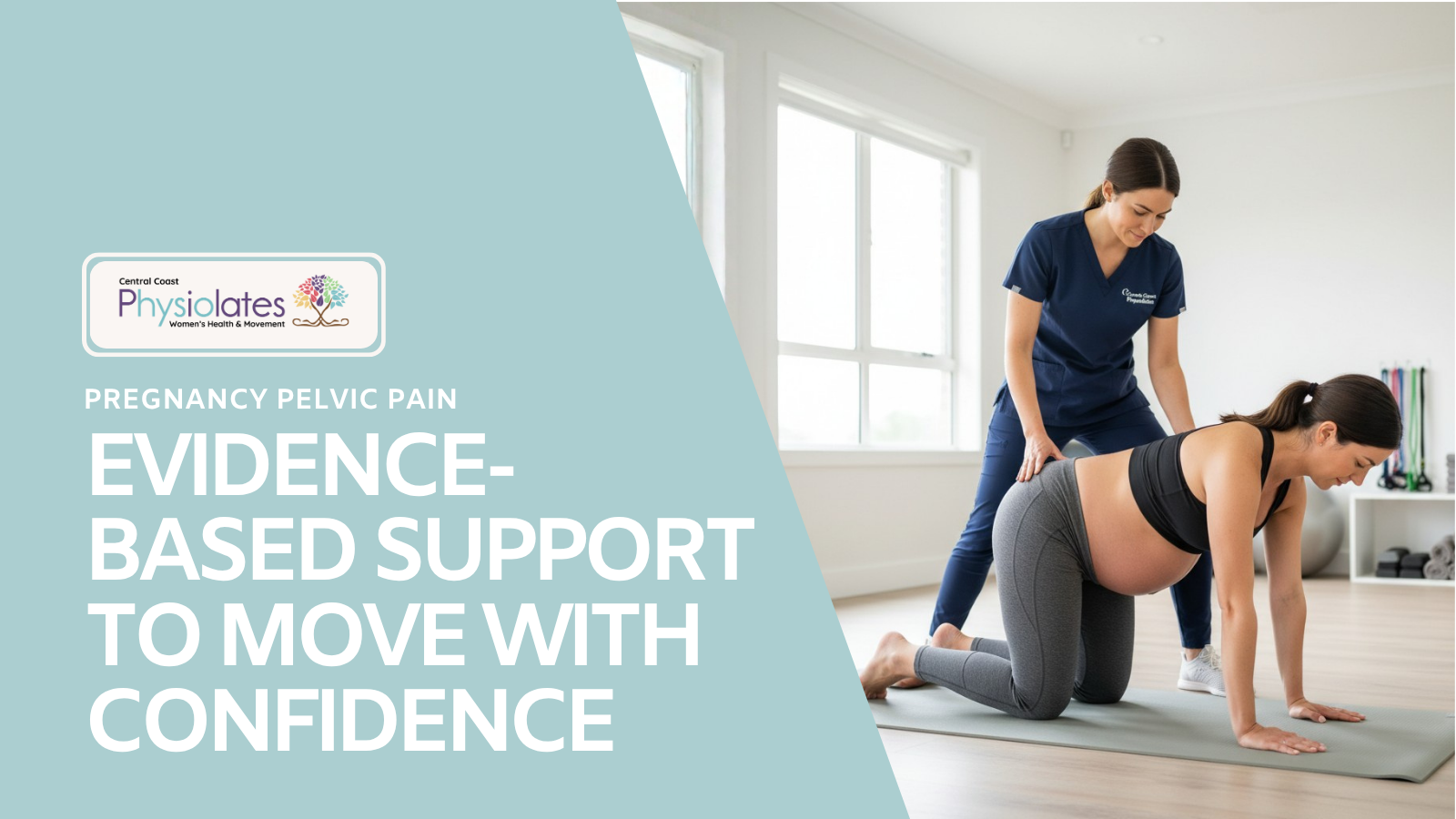
The Resilient Pelvis: Modern, Evidence-Based Care for Pregnancy Pelvic Pain
Nov 28, 2025Pelvic pain during pregnancy can make everyday movements feel much harder than they should.
Walking, rolling over in bed, climbing stairs, or even getting dressed can become uncomfortable. If this sounds familiar, you're not alone. Pelvic girdle pain (PGP) is one of the most common musculoskeletal conditions during pregnancy.
For many years, women were told their pelvis had "gone out of alignment." We now know that's not how pregnancy-related pelvic pain works.
Your pelvis isn't fragile or unstable. It's designed to adapt throughout pregnancy. Understanding how your body changes—and learning how to support those changes—can help you move with greater confidence and less discomfort.
Key Takeaways
- Pelvic girdle pain in pregnancy is common but treatable.
- Your pelvis does not “go out of alignment”; it adapts to changing demands.
- Pain is influenced by physical, hormonal, emotional, and social factors.
- Physiotherapy focuses on movement, strength, coordination, and education, not manipulation.
- Early Assessment and proactive care is key to a comfortable pregnancy and positive birth. Seeking early assessment and beginning a gentle, tailored exercise program sooner rather than later can significantly prevent or alleviate Pelvic Girdle Pain (PGP), enhance physical strength, boost confidence, and optimise your overall birth outcome.
Pelvic Girdle Pain Is Multifactorial
Pelvic girdle pain does not have a single cause.
It is influenced by a combination of physical, hormonal, emotional, and social factors.
This is known as the biopsychosocial model of pain.
Physiotherapists use this model because it recognises that your experience of pain depends on much more than joints or muscles.
It includes your sleep, stress levels, activity habits, and the way you interpret pain signals.
By addressing all of these elements, physiotherapy treatment becomes more complete and more effective.
If pelvic pain is affecting your daily routine, consider booking a Pregnancy Physiotherapy session to understand which factors may be contributing to your symptoms.
From Position to Performance: How the Science Has Shifted
Older explanations focused on pelvic position, suggesting that pain came from bones being “misaligned.”
Modern evidence now shows that pelvic stability depends on muscle coordination, not bone movement.
Your pelvis is supported by two key systems:
| Concept | Description |
|---|---|
| Form Closure | The shape of your bones and ligaments that provide passive stability. |
| Force Closure | The active stability provided by muscles such as the glutes, pelvic floor, and deep core. |
When these muscles work together, they create a strong and resilient pelvis.
If they are uncoordinated or fatigued, the joints can feel unstable, which may lead to pain.
At Central Coast Physiolates, physiotherapists help retrain these systems with safe, evidence-based hands on treatments and exercises that match your trimester and comfort level.
Learn more about our Pelvic Health Physiotherapy services.
The Role of Mind and Emotions in Pain
Your thoughts and emotions influence how your body interprets pain.
Worrying that something is “wrong” can heighten sensitivity and muscle tension.
This creates a cycle where fear increases pain and pain reinforces fear.
Simple strategies like mindful breathing, pacing daily activities, and gentle exercise can calm the nervous system.
Physiotherapists trained in Women’s Health combine education, hands on treatment support and movement so you feel safer to move again.
Understanding pain helps you take control of it rather than avoiding movement altogether.
Lifestyle and Risk Factors
Research highlights several factors that can increase the likelihood of pelvic girdle pain:
| Contributing Factor | Why It Matters |
|---|---|
| Previous back or pelvic injury | Pelvic joints move only a few millimetres. Pain is about sensitivity, not dislocation. |
| Multiple pregnancies | Manual therapy can help with comfort, but recovery comes from movement, not manipulation. |
| High stress or poor sleep | Pain is a signal that your body needs guidance, not that you’re broken. |
| Physically demanding work | Gentle, guided exercise often leads to faster recovery. |
| Sedentary lifestyle | Reduces muscle strength and support. |
Active Management: The Three-Step Physiotherapy Framework
Effective management of pregnancy-related pelvic pain involves more than rest. At Central Coast Physiolates, physiotherapists commonly use a three-step framework that encourages active recovery.
1. Foundation Exercises
Start with gentle movements that promote awareness and control.
Examples include pelvic tilts, pelvic circles, and side-lying core activations.
These build stability and re-train coordination between your pelvic floor, glutes, and deep core.
2. Activity Modification
Small changes to how you move can prevent irritation of sensitive joints.
Try keeping your knees together when turning in bed, avoid heavy lifting, and use supportive footwear.
Your physiotherapist may suggest a pelvic support belt for additional comfort during daily activities.
3. Education and Reassurance
Understanding that your body is strong and adaptable helps break the fear-pain cycle.
Education builds trust in movement, which is essential for long-term recovery.
Each of these steps is tailored to your needs and updated as your pregnancy progresses.
Why Passive Treatments Alone Aren’t Enough
Manual therapy can provide short-term relief, but research shows that lasting improvement comes from combining hands-on care with active strategies.
Manipulating the pelvis or trying to “realign” joints does not address the root cause of instability.
The most effective care involves teaching your body how to stabilise itself through movement and awareness.
When independent exercise isn't fully alleviating your concerns, don't settle for ongoing discomfort. We recommend consulting one of our Women’s Health Physiotherapist for targeted, hands-on treatment. Our expertise in female anatomy and pregnancy-related biomechanics will ensure you receive the most effective care for optimal relief and function.
When to Seek Help
You should reach out for professional support if you notice:
- Pain that limits walking or standing
- Difficulty turning over in bed
- Clicking or grinding around the pelvis
- Pain that does not improve with gentle exercise
Early assessment allows for better results and can prevent pain from worsening as pregnancy continues.
Book a Women’s Health Assessment if you need tailored advice or a personalised movement plan.
Building Confidence After Birth
Pelvic girdle pain usually improves after delivery, but recovery takes time.
The same principles that help during pregnancy also support postnatal rehabilitation: gentle activation, good posture, and regular movement.
If symptoms linger beyond six weeks postpartum, continuing physiotherapy can help rebuild pelvic and core strength.
FAQs
1. Will pelvic girdle pain go away on its own?
Many women improve within a few months of giving birth, but guided exercises and lifestyle changes can speed recovery.
2. Is it safe to exercise with pelvic pain?
Yes, as long as exercises are low impact and guided by a physiotherapist experienced in pregnancy care.
3. Do I need a support belt?
Some women find relief using a support belt, especially in later pregnancy.
Your physiotherapist can help you choose and fit one properly.
Moving Forward with Confidence
Pelvic pain in pregnancy is common, but it does not mean your body is weak or misaligned.
Your pelvis is built to adapt and can become strong again with the right guidance.
Through education, movement, and reassurance, physiotherapy helps you manage symptoms, stay active, and prepare for birth with confidence.
If you need extra support, the team at Central Coast Physiolates provides evidence-based care that focuses on your goals, not restrictions.
💡 Disclaimer: This blog is for educational purposes only and should not replace individual medical advice. Always consult a qualified women’s health physiotherapist for assessment and treatment.
Your Body Changes. Your Care Should Too.
From pregnancy and postnatal recovery to pelvic health, menopause and beyond, your body deserves care that makes sense for where you are now.
Join the Central Coast Physiolates newsletter for practical education, helpful resources and thoughtful guidance to help you better understand your body and feel more confident in your movement and health.
Your journey is important, and we'll never share your information.