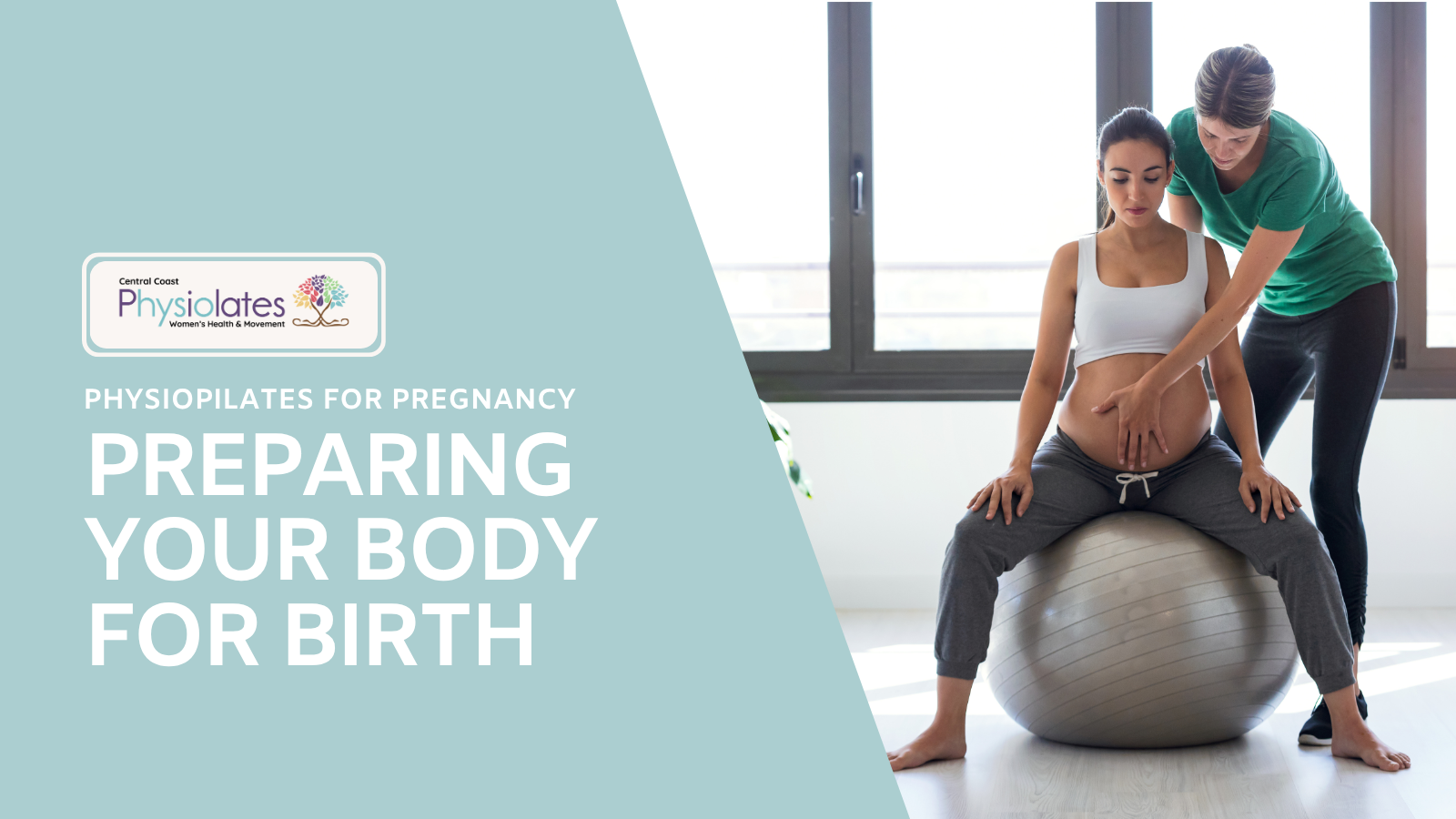
Your Birth Secret Weapon: Why PhysioPilates Is the Most Powerful Prep for Labor
Dec 11, 2025Featured Summary
Supervised prenatal PhysioPilates, taught by qualified physiotherapists, can help shorten labor, reduce pain, and support healthier newborn outcomes.
Research shows it may reduce labour duration, lower the need for interventions such as epidurals, enhance pelvic stability throughout the pregnancy and promote smoother postpartum recovery.
For healthy, low-risk pregnancies, PhysioPilates offers a safe, effective, and empowering way to prepare your body and mind for birth.
At Central Coast Physiolates, we are passionate about providing you with this opportunity to thrive during your pregnancy, birth and start to motherhood. Our classes provide the evidence-based, physiotherapist-led support you need.
Introduction
Many expectant parents carefully prepare for childbirth, yet few realise there is a proven, evidence-based method that can make labor faster, less painful, and more efficient.
Supervised prenatal PhysioPilates is not simply exercise; it is a scientific based clinical movement approach shown to improve both maternal and newborn outcomes.
As a physiotherapist and the founder of Central Coast Physiolates, I have seen firsthand how personalised PhysioPilates programs help women build strength, confidence, and calm for birth.
What Is PhysioPilates for Pregnancy?
PhysioPilates is a physiotherapist-led approach to prenatal Pilates that focuses on deep core stability, upper & lower body strength, pelvic floor function, posture and breath coordination. Basically a full body pregnancy safe mobility program.
Supervision ensures you are receiving the exact program that your body needs, making sure you have the essential knowledge to stay strong throughout your pregnancy and understand your needs during your labor and birth.
Key Benefits of PhysioPilates for Labor and Delivery
- Shorter, More Efficient Labor
Clinical studies show that supervised prenatal Pilates can reduce overall labor time, particularly during active labor and the pushing phase. Improvements in core stability, pelvic alignment, and endurance contribute to a smoother, more efficient birth. - Reduced Labor Pain and Lower Intervention Rates
Women who practise prenatal Pilates often report less labor pain and a reduced need for interventions such as epidural analgesia. Greater body awareness, balanced breathing, and improved mobility all support better pain-coping strategies. - Better Neonatal Outcomes
Pilates supports healthy oxygenation, optimal maternal positioning, and efficient pushing techniques. Together, these factors help promote better newborn outcomes and a smoother transition immediately after birth.
Empowerment Through Body Awareness
- Breathwork and Coordination
PhysioPilates teaches breath patterns that integrate with deep core and pelvic floor activation. This skill becomes invaluable during labor, helping mothers manage their pain and birthing strategies. - Total Body Strength and Core Control
Improved strength, balance, and posture help women adapt to the physical changes of pregnancy while supporting the spine and pelvis throughout all trimesters and endurance during their birth. - Education on Optimal Birth Positions
With greater body awareness comes confidence in selecting functional birthing positions that assist baby’s descent and reduce strain during labor. - Pelvic Floor Strength and Relaxation
PhysioPilates trains not only how to strengthen the pelvic floor, but also how to relax it. This combination supports the growing baby throughout pregnancy and assists in safer, more effective pushing during birth.
Long-Term Postpartum Advantages
- Reduced Risk of Postpartum Incontinence
Strengthening the pelvic floor during pregnancy can help prevent postpartum urinary incontinence by improving control, coordination, and tissue support. - Better Postpartum Recovery
Regular practice supports smoother musculoskeletal recovery, steadier core strength, and reduced discomfort after birth. - Higher Satisfaction With the Birth Experience
Many women report feeling more confident, grounded, and in control throughout childbirth due to improved physical preparedness and a deeper understanding of their bodies.
Why Supervision Matters
Research consistently shows that the greatest benefits come from supervised PhysioPilates programs. Physiotherapists help ensure correct muscle recruitment, proper technique, and tailored adjustments. This level of precision is difficult to achieve in large or unsupervised classes.
At Central Coast Physiolates, our physiotherapist-led sessions provide this level of individualised care so you feel supported, safe, and empowered throughout pregnancy.
Practical Recommendations
If you are pregnant and have been medically cleared for exercise, consider beginning a supervised PhysioPilates program. With expert guidance, tailored progression, and research-backed benefits, it can be one of the most effective ways to prepare for labor and support long-term postpartum wellbeing.
Our team at Central Coast Physiolates would be honoured to guide you through this journey as part of your healthcare support team.
Frequently Asked Questions (FAQs)
- Is PhysioPilates safe during pregnancy?
Yes. PhysioPilates is safe for low-risk pregnancies when guided by a qualified physiotherapist or certified prenatal Pilates instructor. Your initial visit with us will allow us to provide exercise for your personal needs. - Can prenatal Pilates really shorten labor?
Many women experience shortened active labor and pushing stages thanks to improved core support, an understanding of how a pelvic floor works during birth, and functional breathing techniques. - How does prenatal Pilates help with labor pain?
It improves spinal support, pelvic stability, mobility, and breathing control—all essential for managing discomfort and maintaining resilience during labor. - Can Pilates reduce the need for epidurals?
Some women find they rely less on pain relief because PhysioPilates enhances endurance, body awareness, and coping techniques. - Will prenatal Pilates help my baby?
Prenatal Pilates supports optimal oxygenation, maternal mobility, and effective pushing, all of which contribute to healthier newborn outcomes. - What is the difference between PhysioPilates and regular prenatal Pilates at CCPL?
Our PhysioPilates classes are led by Women's Health Physiotherapists who hold specialised expert knowledge in movement science, pregnancy, and birth.
This high level of expertise ensures you receive safe, tailored modifications, empowering you with the essential knowledge for a happier, healthier pregnancy and birth journey. - When is the best time to start prenatal Pilates?
Many women begin during the first or early second trimester, depending on comfort and medical guidance. - Can PhysioPilates help prevent postpartum incontinence?
Yes, it can help reduce risk by strengthening and coordinating pelvic floor muscles during pregnancy. - How often should I practise prenatal Pilates?
Most expecting mothers benefit from two to three supervised sessions per week. A physiotherapist can customise frequency based on your fitness level, pregnancy stage, and symptoms.
Your Body Changes. Your Care Should Too.
From pregnancy and postnatal recovery to pelvic health, menopause and beyond, your body deserves care that makes sense for where you are now.
Join the Central Coast Physiolates newsletter for practical education, helpful resources and thoughtful guidance to help you better understand your body and feel more confident in your movement and health.
Your journey is important, and we'll never share your information.